
your athlete needs more than a trainer.
they need you.
Every great athlete has a support system. Learn how to encourage without overwhelming, communicate without conflict, and become the teammate your child needs most.

communication
Build trust, listen with purpose and strengthen your relationship.

confidence
Help your athlete believe, encourage without adding pressure and build resilience.

leadership at home
Learn how pressure affects performance, understanding confidence and support healthy habits.

mindset
Create a championship environment, set standards and lead your family with purpose.
WHY I CREATED
the parent
playbook experience
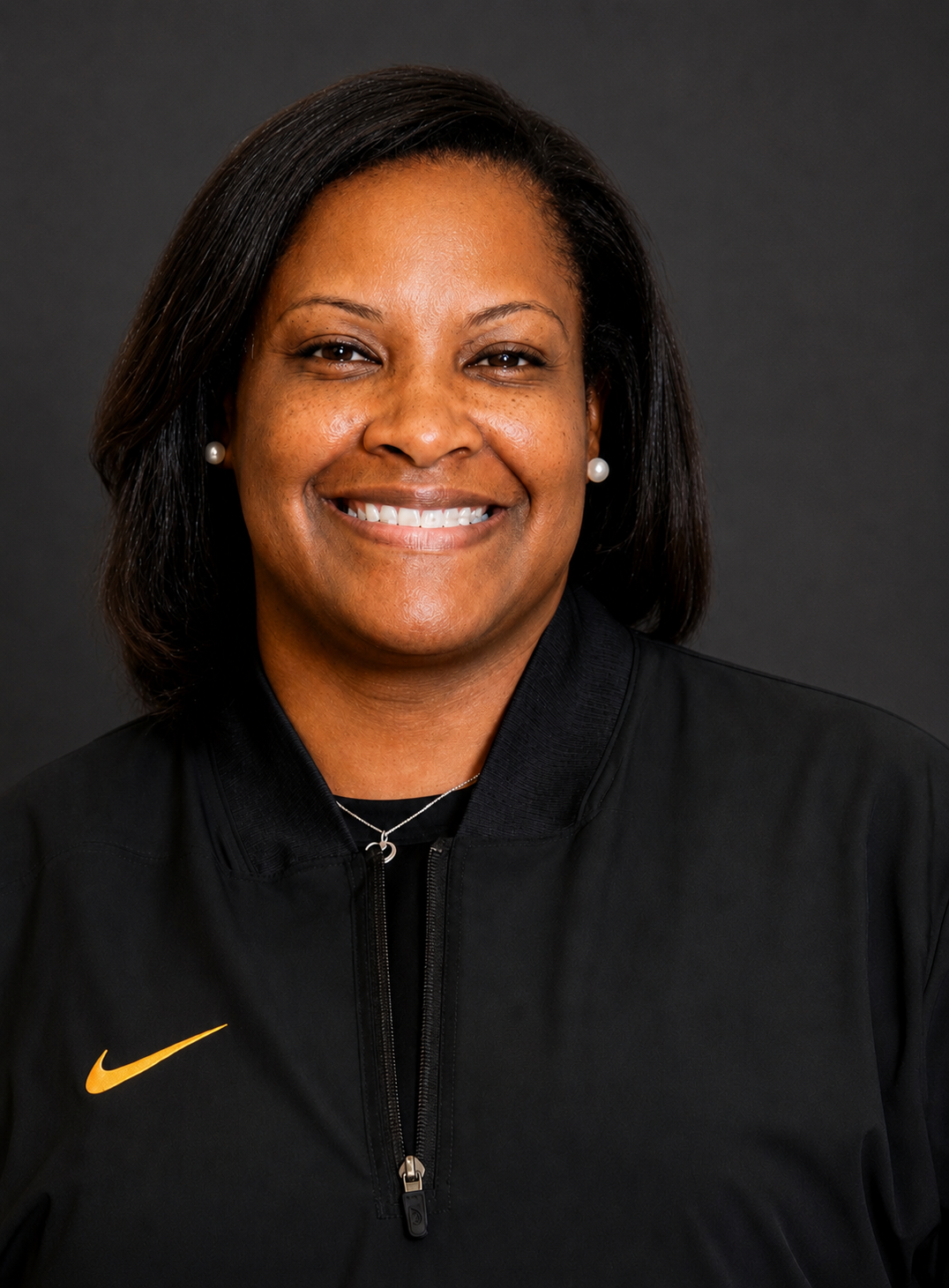
Today, nearly 6 out of every 10 U.S. households with children ages 6-17 have a child participating in organized sports. With millions of families navigating the emotional highs and lows of youth athletics, I realized something after nearly three decades of coaching: parents care deeply-but very few have ever been taught how to support the mental and emotional side of sports. I’ve watched incredible athletes lose confidence because of pressure at home, and I’ve watched average athletes flourish because they had parents who knew how to encourage without overwhelming. That’s why I created The Parent Playbook Experience-to help families strengthen communication, build confidence, and create an environment where young athletes can thrive both on and off the court.

inside the parent playbook
Eight transformational sessions designed to help you become the teammate your athlete needs most.
-
PARENT
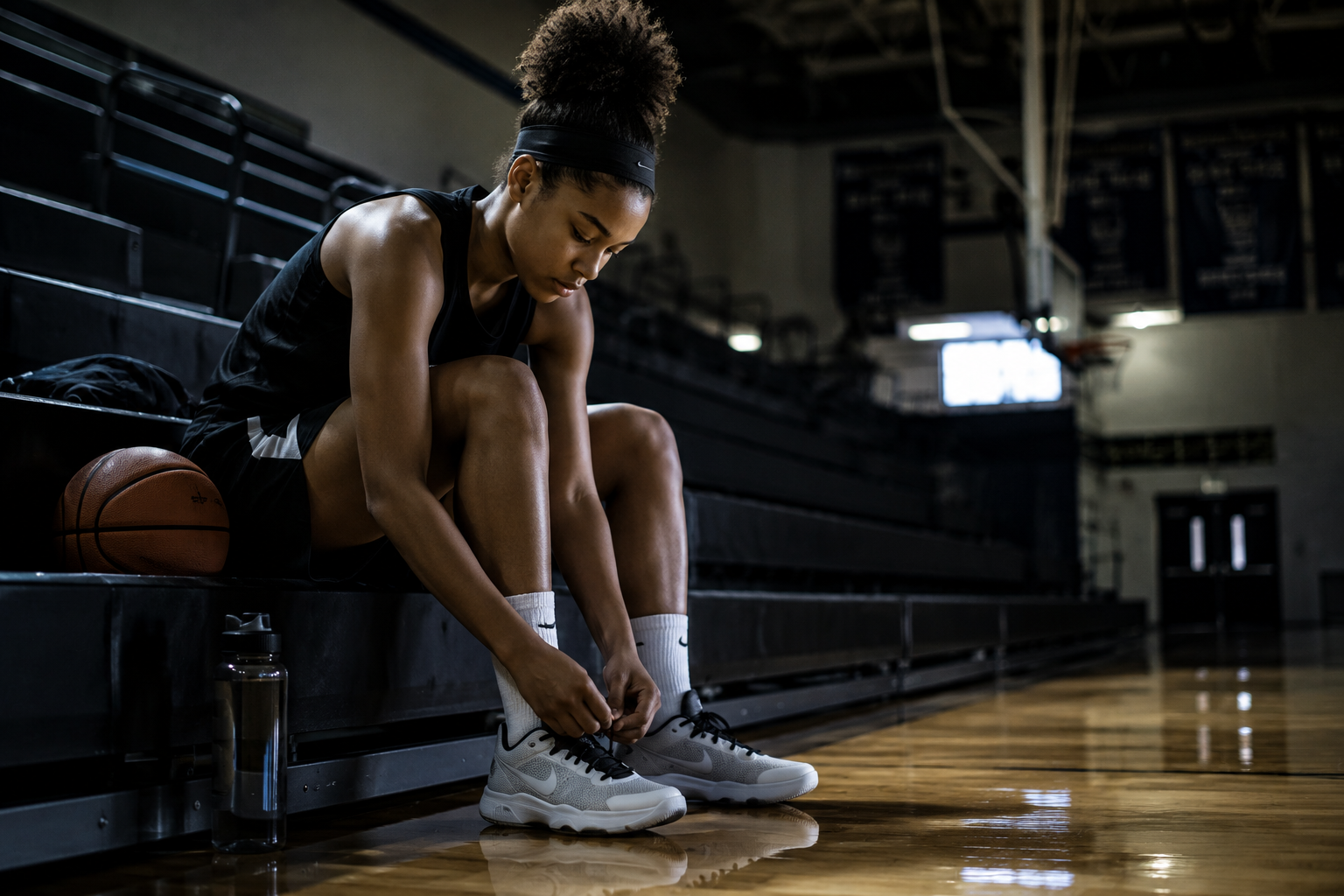
“I’m trying to help, but sometimes I honestly don’t know what my athlete is carrying.”ATHLETE
“Everybody sees how I played. Nobody sees everything I’m dealing with.”WHAT WE’LL WORK THROUGH
Go beyond stats, playing time, and performance to understand what may be happening underneath—confidence struggles, comparison, expectations, fatigue, fear of failure, and the pressure to perform.We’ll explore how to recognize what your athlete may be communicating through their behavior and how home can become a place of recovery—not just another place where they’re evaluated.
YOUR 180
See the person before evaluating the player.
-
PARENT
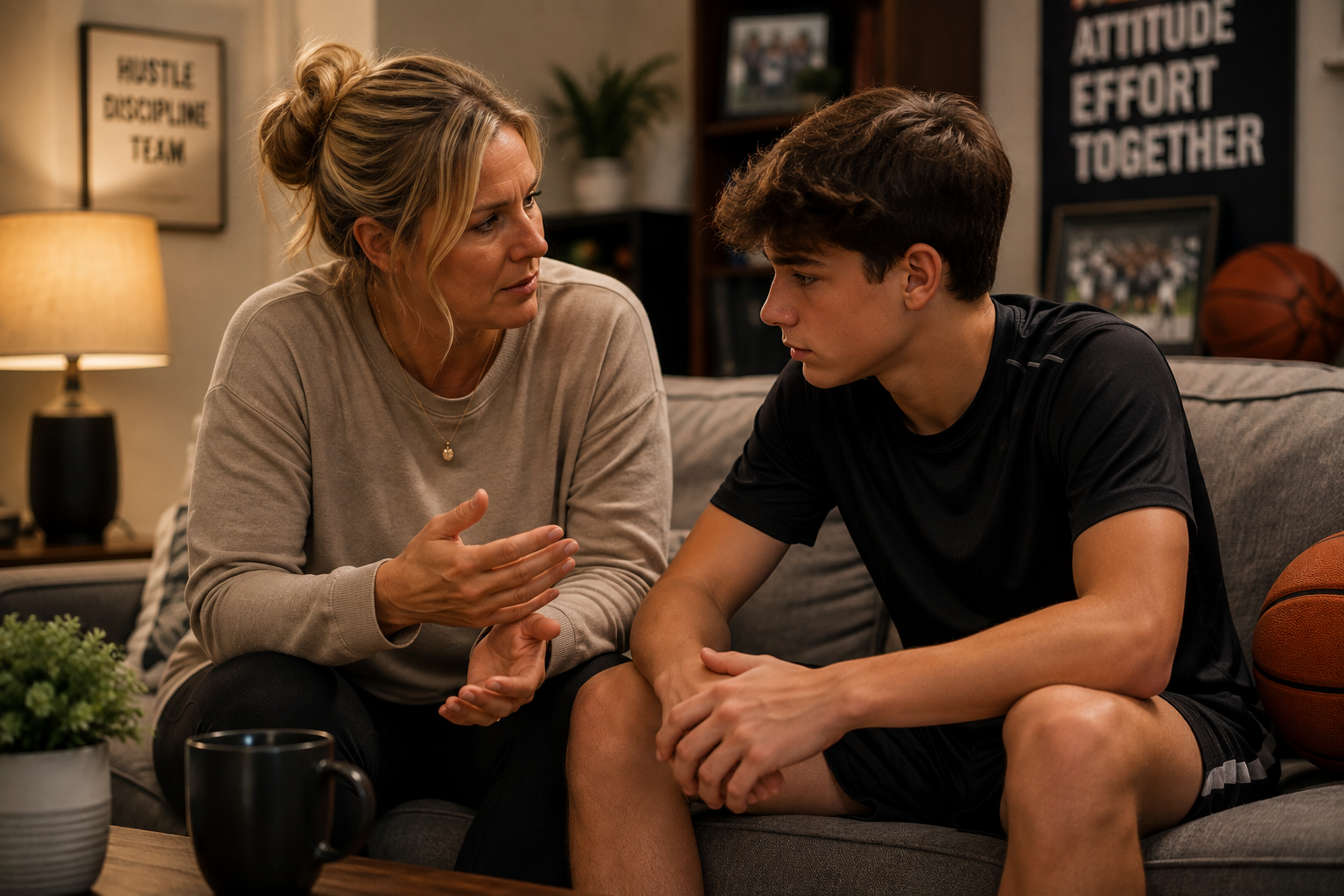
“I know my athlete is capable of more. How do I push them without pushing too hard?”ATHLETE
“Sometimes encouragement starts feeling like pressure because I feel like I can never do enough.”WHAT WE’LL WORK THROUGH
Not all pressure is harmful—and removing every challenge doesn’t prepare athletes for competition either.We’ll examine the difference between healthy challenge and unhealthy pressure, how expectations are communicated, and how your reactions to wins, losses, mistakes, playing time, and progress can shape your athlete’s experience.
You’ll learn how to reinforce preparation, resilience, accountability, and growth without making performance feel connected to your approval.
YOUR 180
Challenge growth without making love feel conditional.
-
PARENT
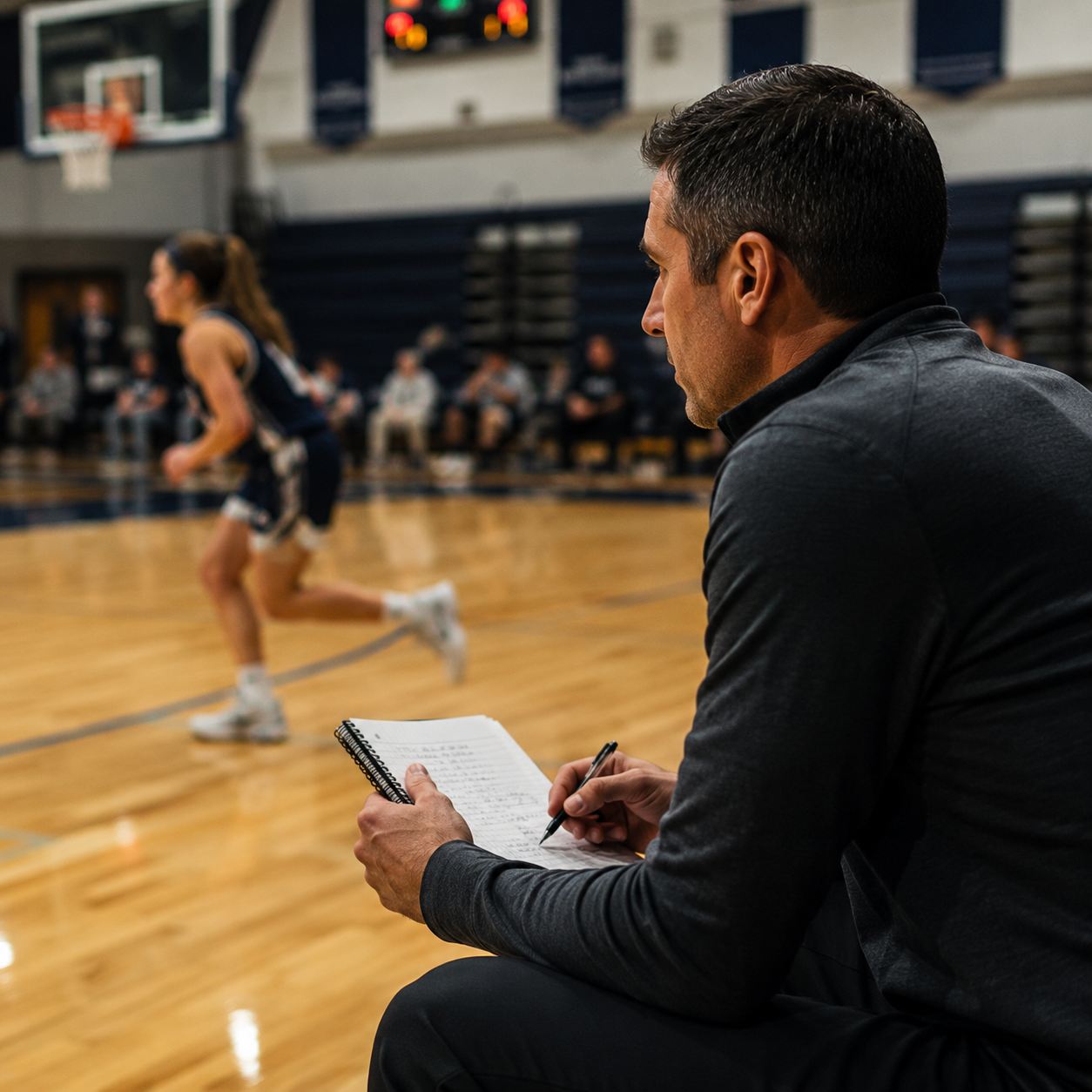
“I don’t know if my athlete needs another camp, another trainer, more exposure—or if we’re just spending money hoping something works.”ATHLETE
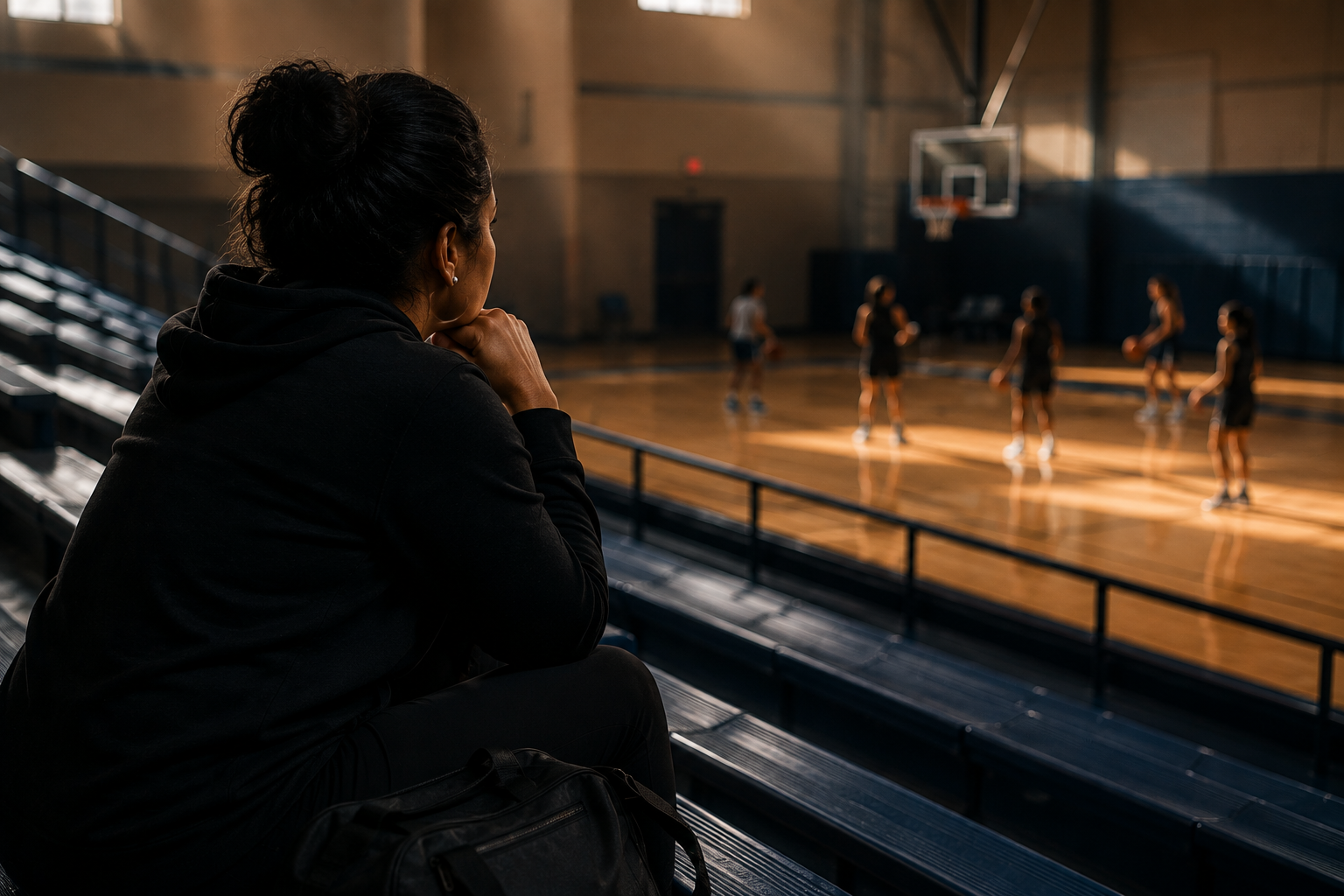
“Everybody else looks like they’re getting noticed. I feel like I’m falling behind.”WHAT WE’LL WORK THROUGH
Learn the difference between development, performance, exposure, evaluation, and recruitment—and why simply being seen isn’t the same as being ready.We’ll unpack what coaches may evaluate beyond stats and highlight clips and help you better understand what your athlete actually needs for the next step of their journey.
YOUR 180
Exposure can get you seen. Readiness determines what happens after you’re seen.
-
PARENT
“There are so many teams, trainers, camps, showcases, and recruiting services. How do I know what my athlete actually needs—or what’s worth the investment?”ATHLETE
“I’m doing everything everybody says I’m supposed to do, but I’m not always sure where I’m actually going.”WHAT WE’LL WORK THROUGH
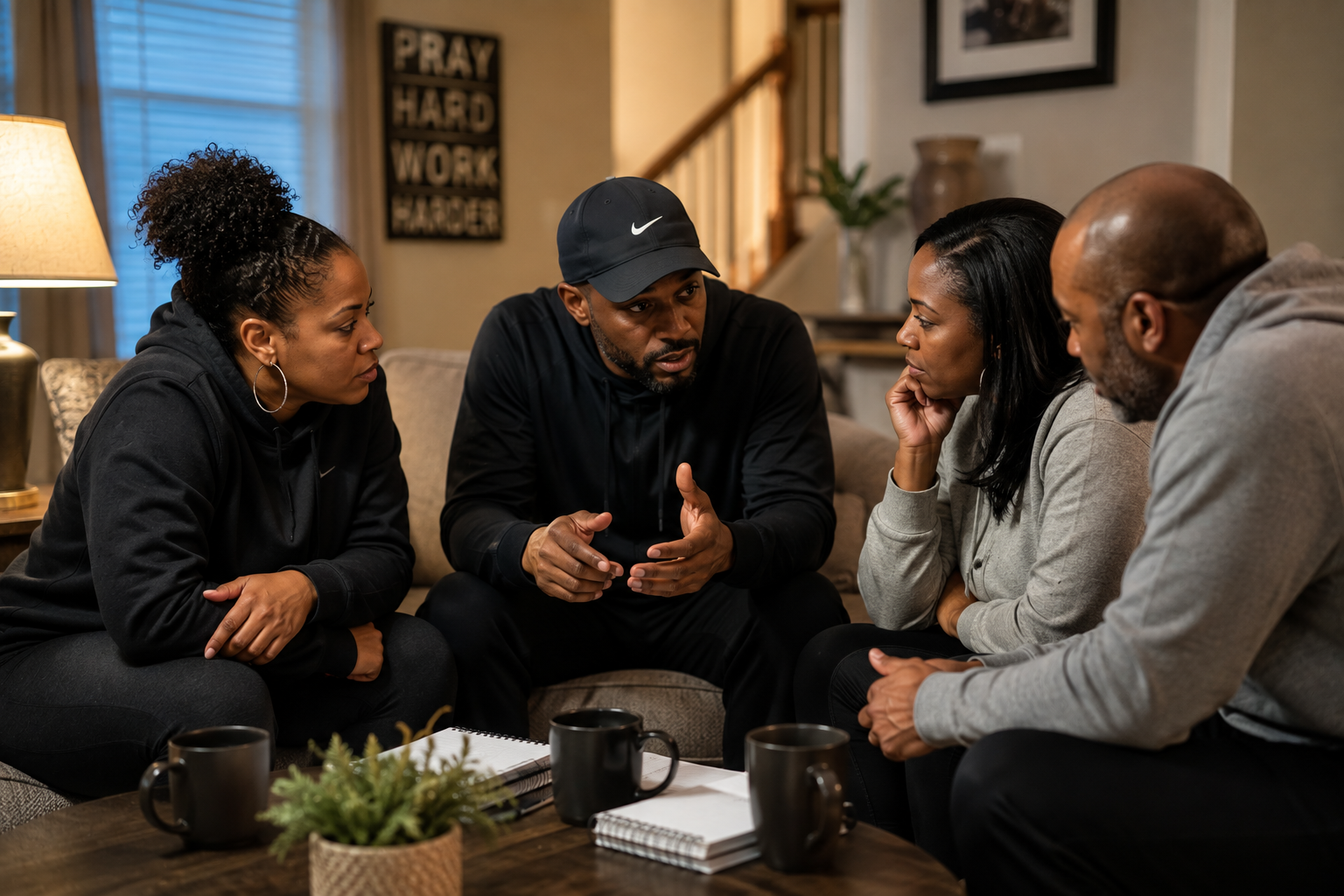
Learn to evaluate opportunities based on your athlete’s current needs, goals, level, development, and long-term direction instead of simply chasing what everyone else is doing.We’ll explore the questions families should ask before investing time, money, and energy into trainers, teams, camps, showcases, exposure opportunities, and other steps along the journey.
The goal isn’t to say yes to everything. It’s to understand why you’re saying yes.
YOUR 180
Don’t chase every opportunity. Choose the opportunities that match the need.
-
PARENT
“Every time I try to help or give advice, it turns into an argument—or my athlete completely shuts down.”ATHLETE
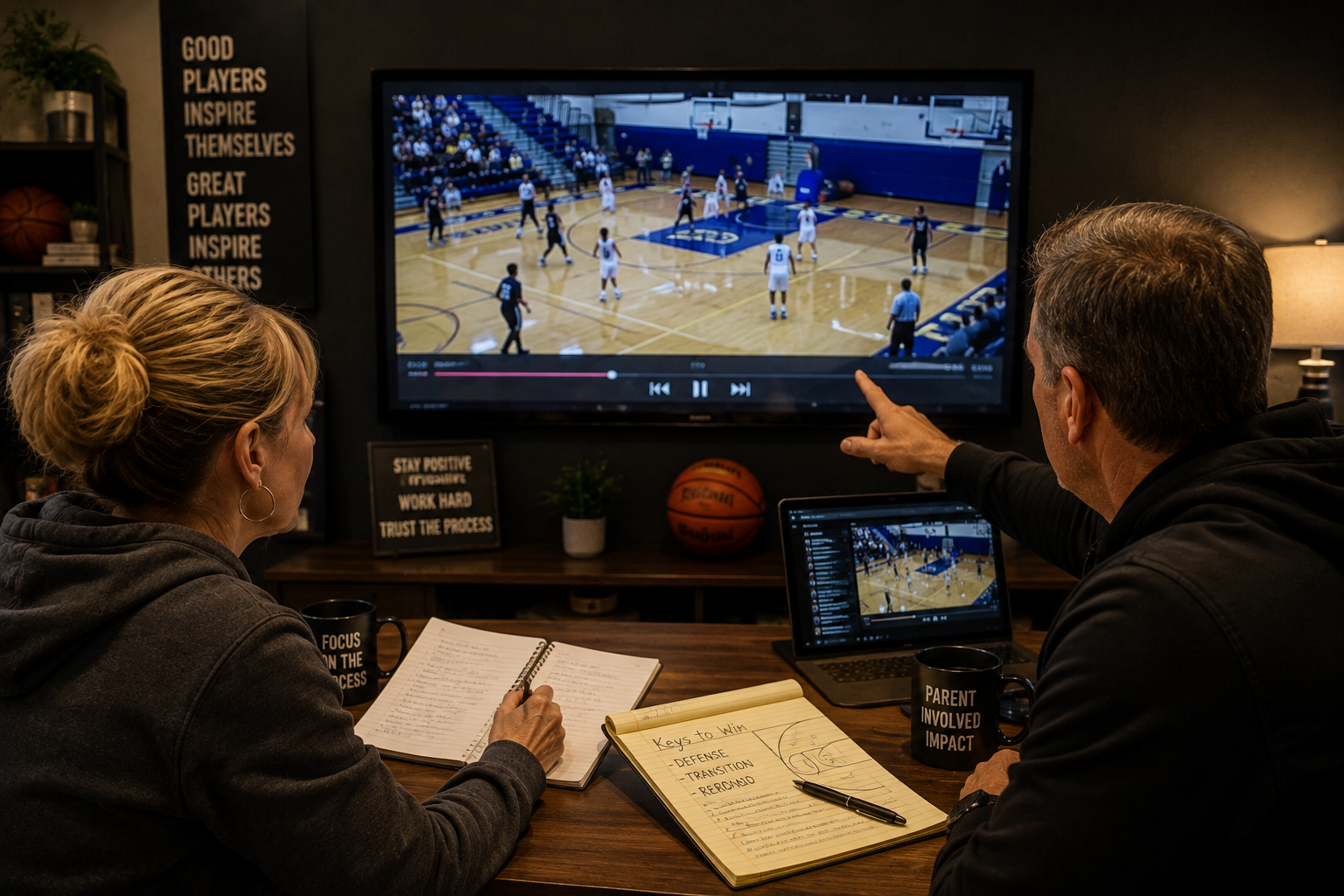
“Sometimes I just want my parent to listen without immediately telling me what I should’ve done.”WHAT WE’LL WORK THROUGH
Learn how to communicate before competition, after difficult performances, during slumps, and through disagreements without every conversation becoming a correction.We’ll explore better questions, active listening, timing, and accountability—and how to recognize when your athlete needs guidance, when they need encouragement, and when they simply need you to listen.
YOUR 180
Connection before correction.
-
PARENT
“My athlete is talented. Sometimes I don’t understand why coaches aren’t seeing what I see.”ATHLETE
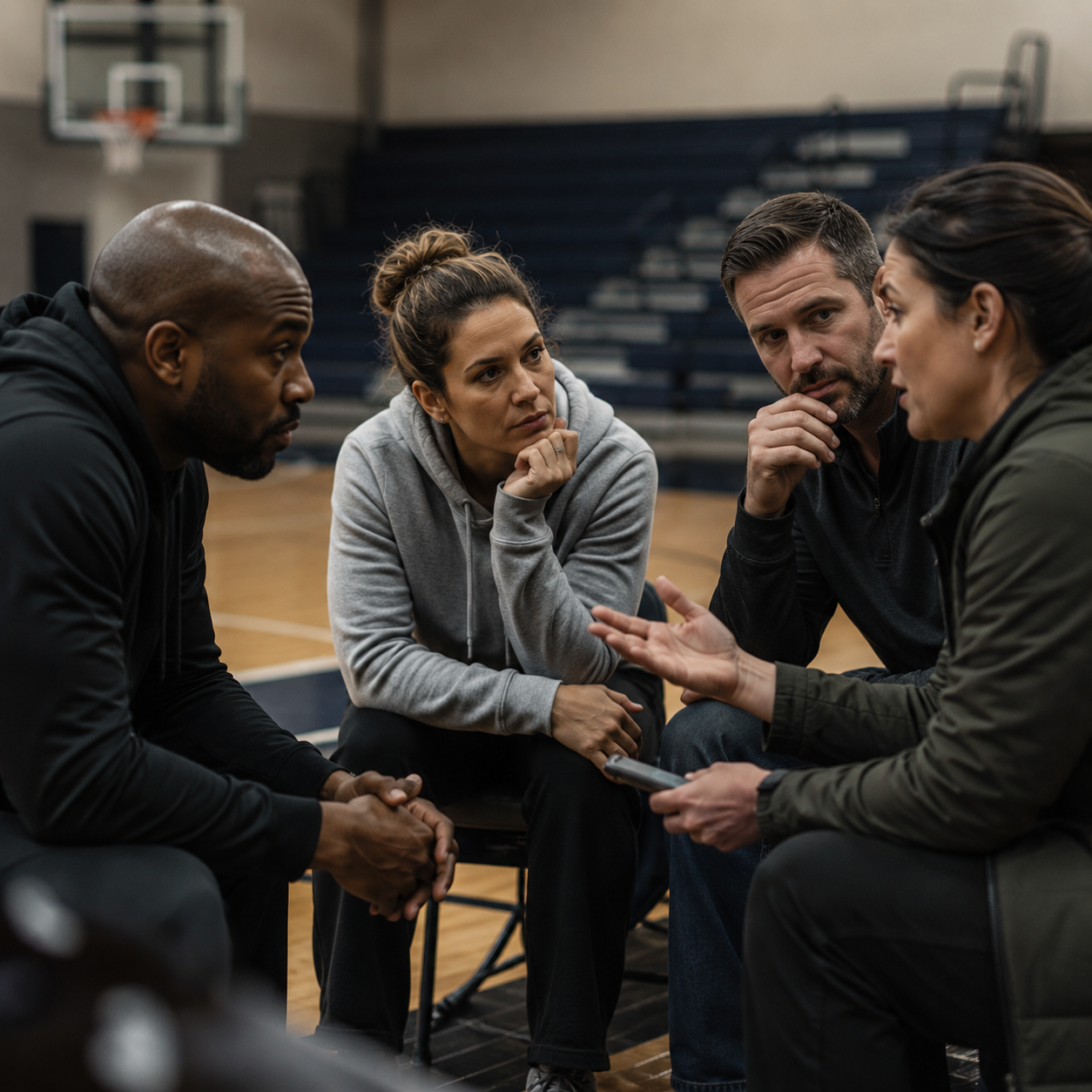
“I thought playing well meant scoring and putting up numbers. I didn’t realize coaches were watching everything else too.”WHAT WE’LL WORK THROUGH
Step into the evaluator’s seat and learn to see the whole athlete, not just the stat line.We’ll explore what coaches may notice beyond talent and production—including decision-making, effort, body language, communication, coachability, response to adversity, academics, consistency, character, and fit.
You’ll leave with a more complete understanding of how your athlete may be evaluated—without turning yourself into another coach at home.
YOUR 180
Stop watching only for production. Start understanding the complete prospect.
-
PPARENT
“I’m carrying a lot too—the money, the driving, the worrying, the sacrifices, the disappointments—and sometimes I don’t know what to do with my own emotions.”ATHLETE
“Sometimes I feel responsible for everything my family is sacrificing for me.”WHAT WE’LL WORK THROUGH
The sports journey affects the entire family. This session creates space for parents to examine their own expectations, fears, sacrifices, frustrations, and hopes—and recognize when those emotions may unintentionally become weight their athlete begins to carry.We’ll work through healthier ways to process the journey, maintain perspective, and support your athlete without making them responsible for the sacrifices being made on their behalf.
YOUR 180
You can carry the responsibility without making your athlete carry the weight.
-
PARENT
“I’m just supporting my child. Does what I say or do from the sideline really affect them that much?”ATHLETE
“I hear you in the stands—even when you think I don’t.”WHAT WE’LL WORK THROUGH
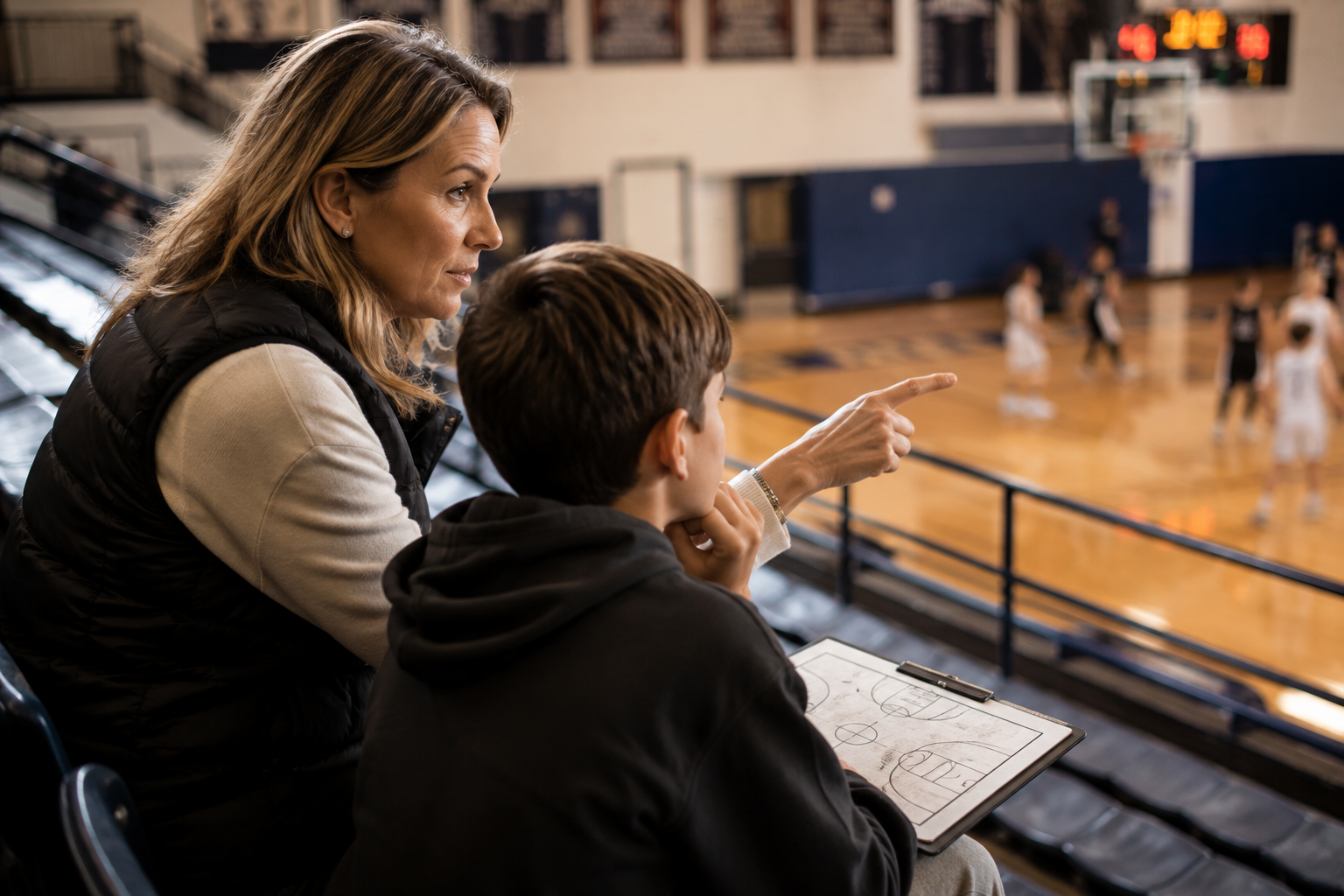
Your presence is part of your athlete’s competitive environment. We’ll examine sideline communication, reactions to mistakes and officials, interactions with coaches, conversations with other parents, and the messages your athlete receives from your body language and behavior.This isn’t about telling parents to sit quietly or stop being passionate. It’s about recognizing when your presence gives your athlete confidence—and when it becomes one more thing they have to manage while competing.
We’ll also explore how parent behavior can affect relationships with coaches, teammates, other families, and the culture surrounding your athlete.
YOUR 180
Be the support they can feel without becoming the distraction they have to manage.

COMING SOON
ONE MINUTE. ONE SHIFT.
a better way to parent the game.
Quick, practical perspective for sports parents navigating confidence, communication, pressure, recruiting, playing time, and everything that happens beyond the scoreboard.
60 seconds. One topic. Something you can use.
PARENTING THE GAME IS HARD. YOU DON’T HAVE TO GUESS YOUR WAY THROUGH IT.
your athlete is growing . you should be growing, too.
You don’t have to have all the answers. You just need the right perspective, the right tools, and the willingness to grow alongside your athlete. Because how you show up through the highs, the hard moment, and everything in between matters.

“Changing the game begins at home.”